
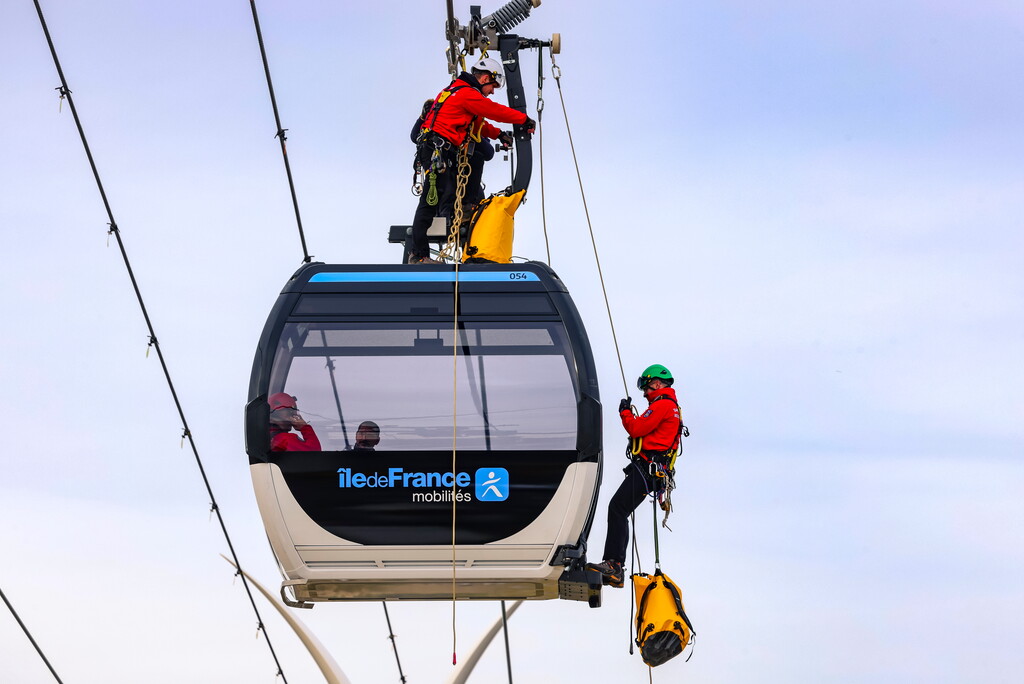
C1 Cable Car Evacuation Drill: How the Emergency System Works
On June 9, service on Paris’s C1 cable car was temporarily halted for a large-scale safety exercise. One of the scenarios simulated a total system failure, leaving a cabin suspended high above the ground near a support tower. SI spoke with Île-de-France Mobilités to learn how firefighters would respond in such an emergency.

Paris: Double Award for the Câble 1
The first cable car system in the Greater Paris region has received two major distinctions: it was awarded the Special Jury Prize by the Regional Association of Public Works Contractors and has also officially obtained environmental certification.
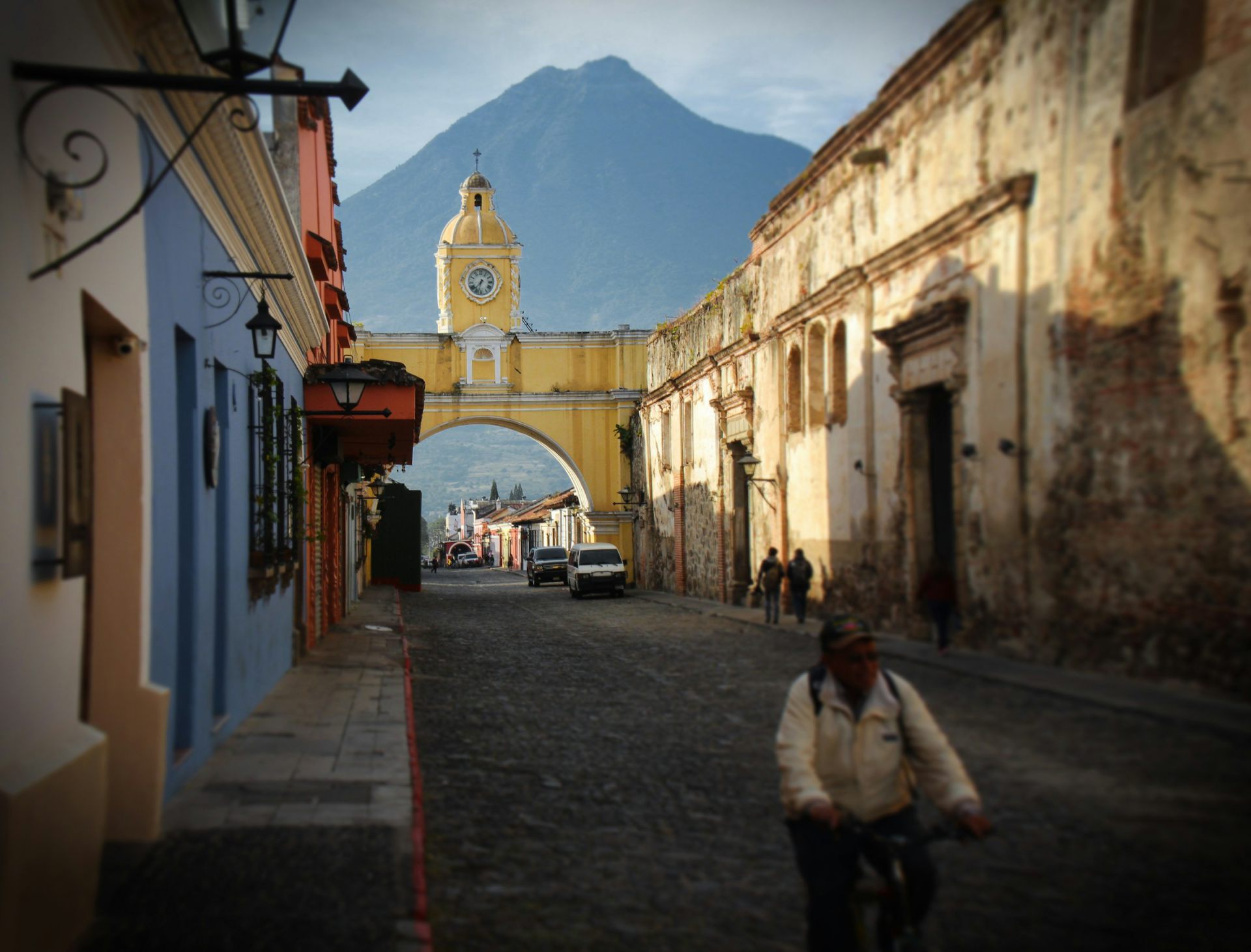
Guatemala: Cable Car from the Airport Under Discussion
The city of Antigua Guatemala is planning initial feasibility studies for a cable car system. The project aims to provide a modern, congestion-free transport alternative linking the country’s main airport with its most popular tourist destination.
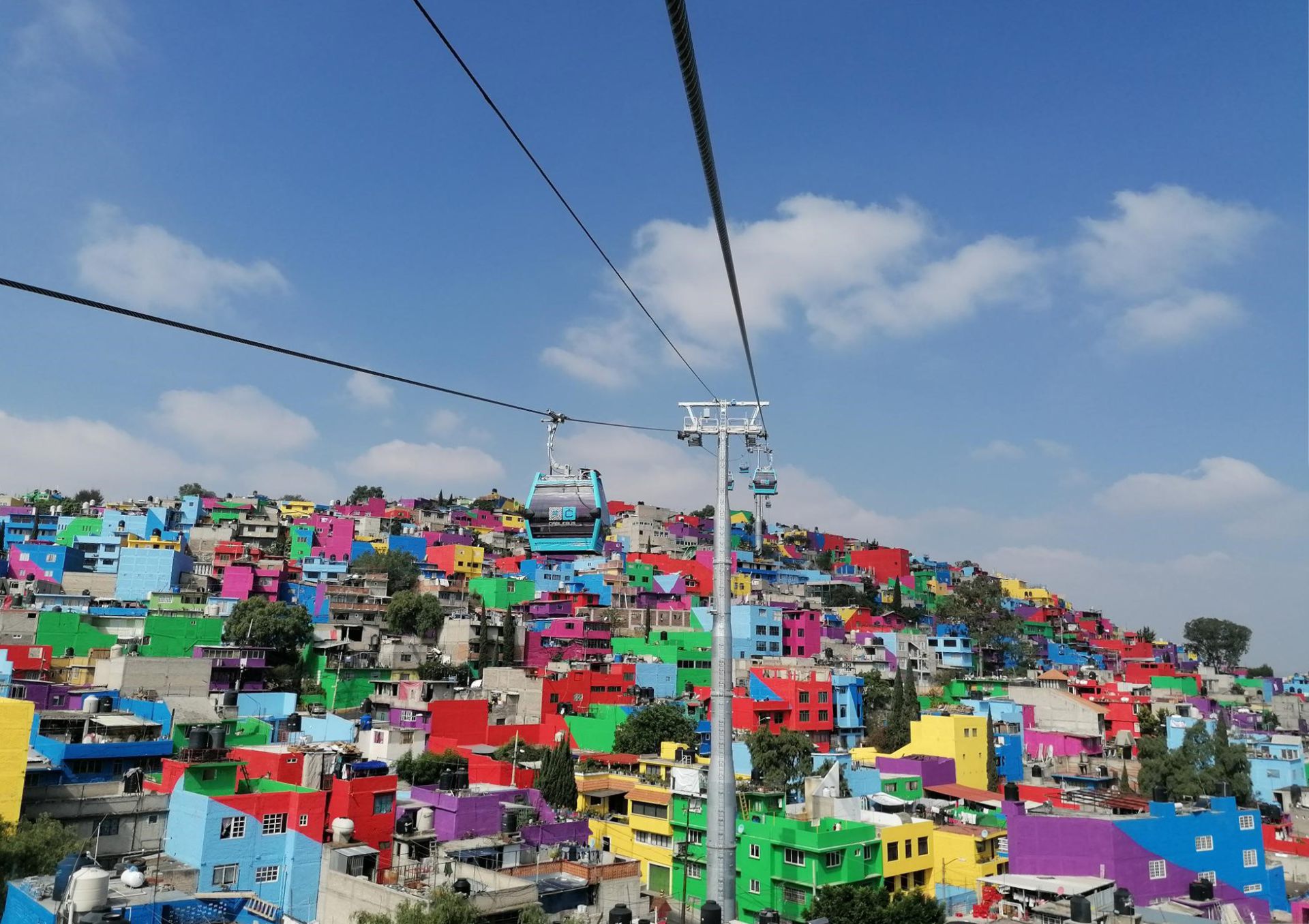
Mexico: Cable Car Network Grows by Another 40 Kilometers
Approximately 40 kilometers of additional cable car lines are set to be added to Mexico’s existing network, which already comprises around 25 kilometers in operation. Several projects are currently under development across the country. Here is an overview.

Cable car in Puebla: Social impact in focus
The planned cable car system in the Mexican metropolis of Puebla is intended to reduce travel times for more than 43,000 workers and to be closely integrated with cycling infrastructure. What other social needs are at the center of the project?

Taiwan: New cable car to suspension bridge
To further boost tourism in Nantou, Taiwan plans to build a cable car. It is intended to make visits to the already well-known suspension bridge hotspot more comfortable and offer a more engaging experience for visitors in the future.