

Cities
CITIES
Cable cars and cableways function as an efficient means of transport in an urban setting. Find out more on our blog!
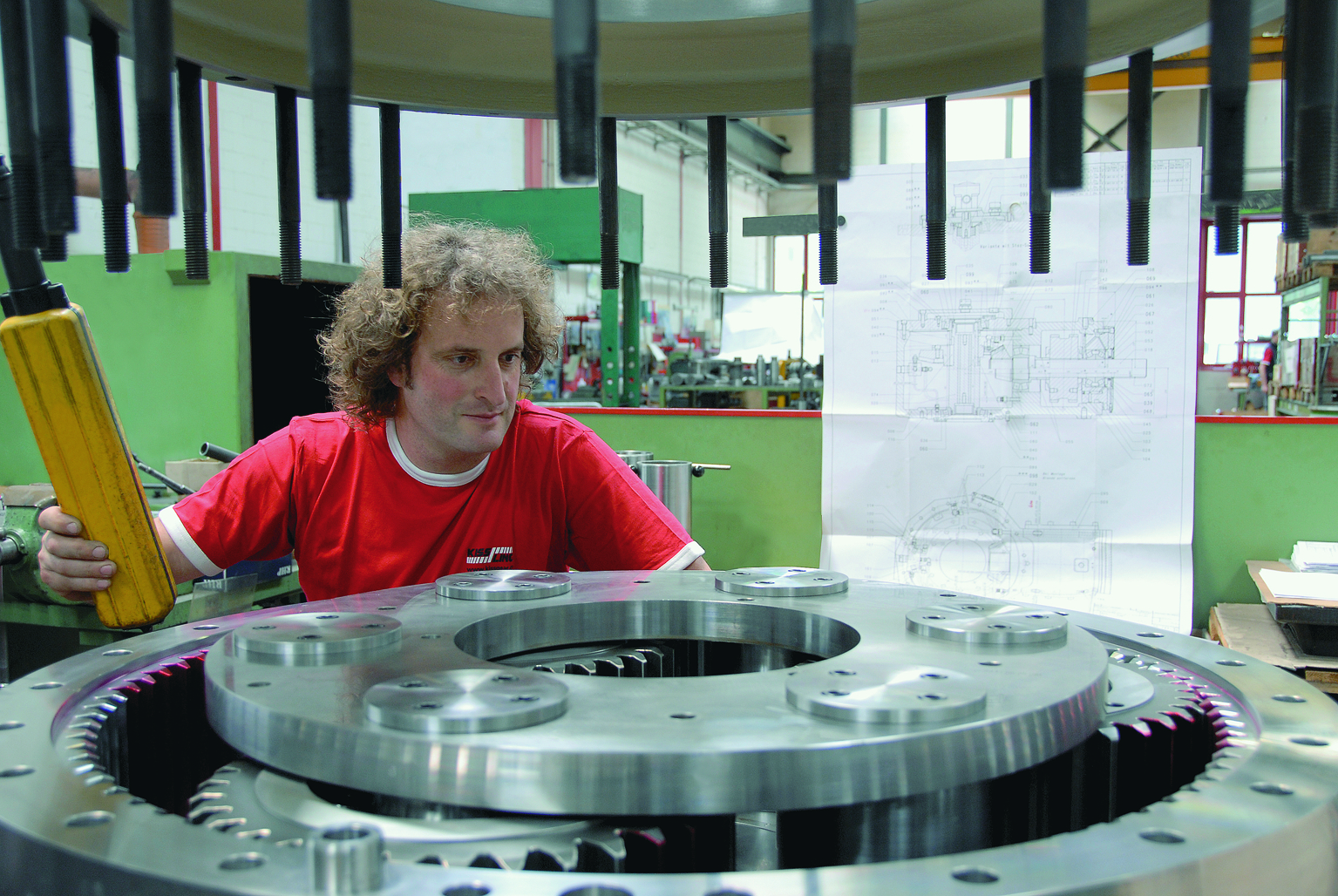
Kissling: Early gearbox damage detection
Whether a ropeway gearbox is overhauled in time or fails unexpectedly depends entirely on the condition assessment. To achieve this, Kissling combines four mutually complementary methods.
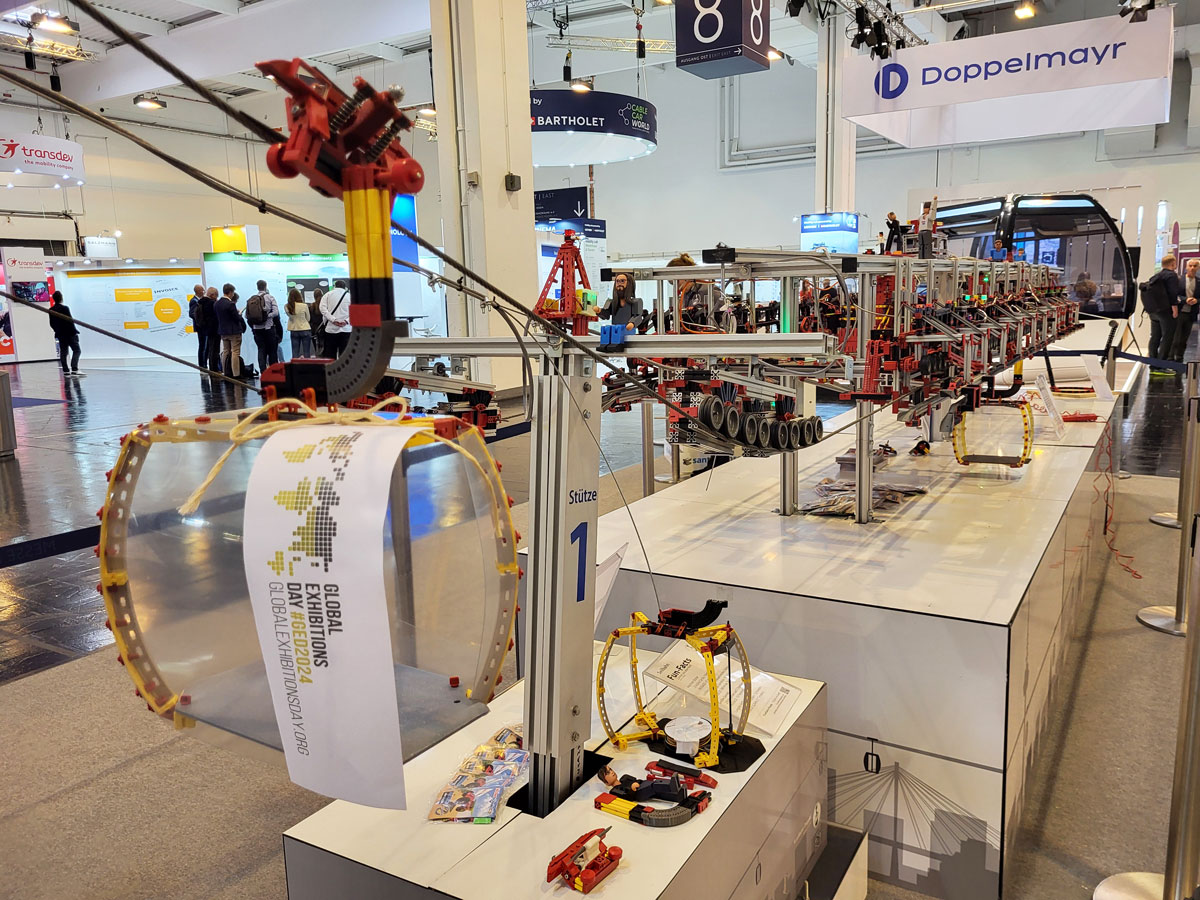
Cable car model finds a home
A desperate plea reached the SI editorial team a year ago. The 1:10 scale Fischertechnik cable car had lost its shelter and was urgently seeking a new home. The world’s largest and most complex Fischertechnik model was facing complete shutdown - and with it, a project into which 30 volunteers had invested thousands of work hours. But now, there is good news.
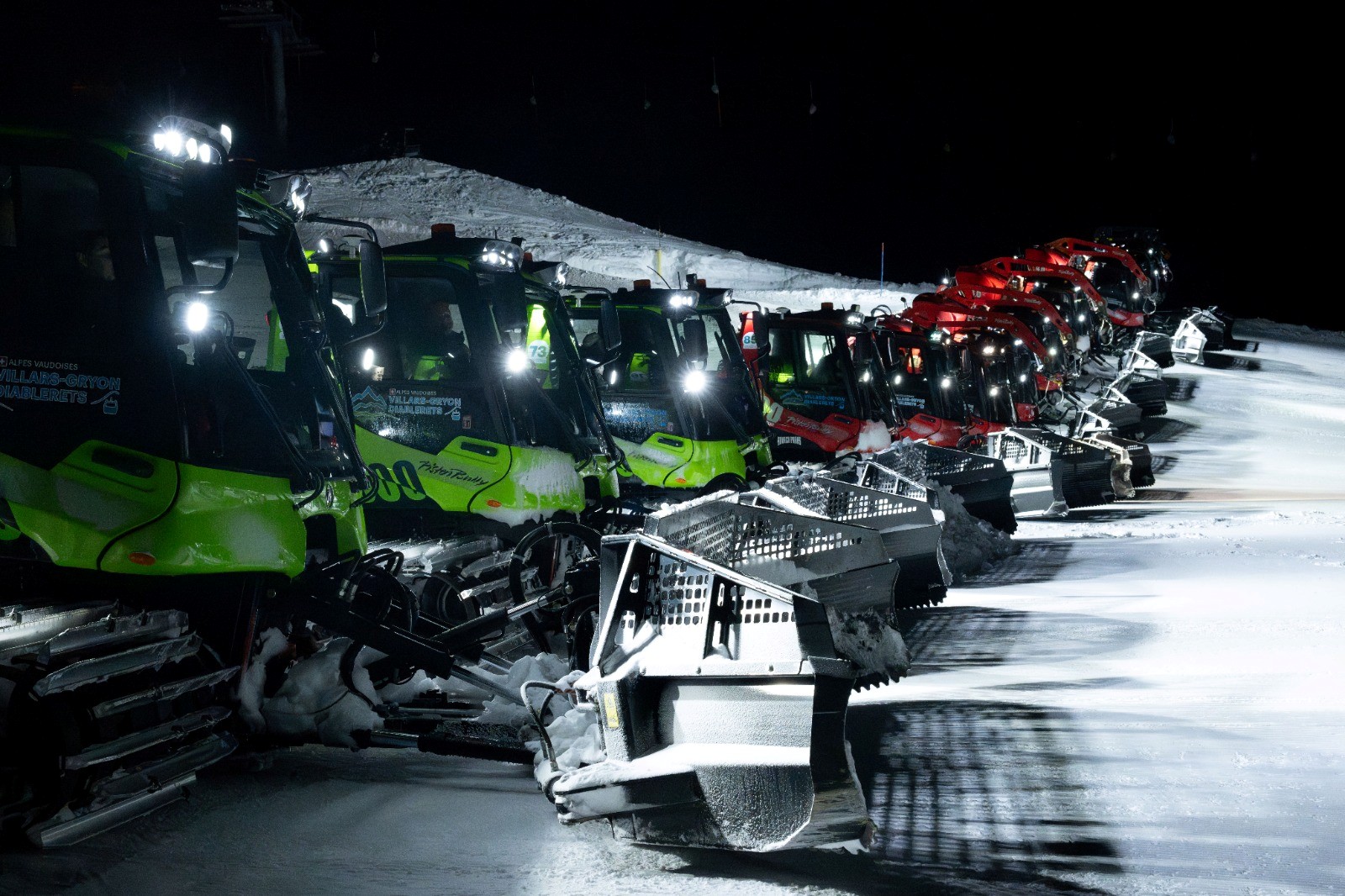
Télé-Villars and Kässbohrer: Mutually beneficial partnership
How does a ski resort pave the way toward a more sustainable and efficient future alongside its technology partners? Together with Kässbohrer, the Swiss destination of Villars-sur-Ollon demonstrates how such a partnership of equals works – and what concrete steps result from it.
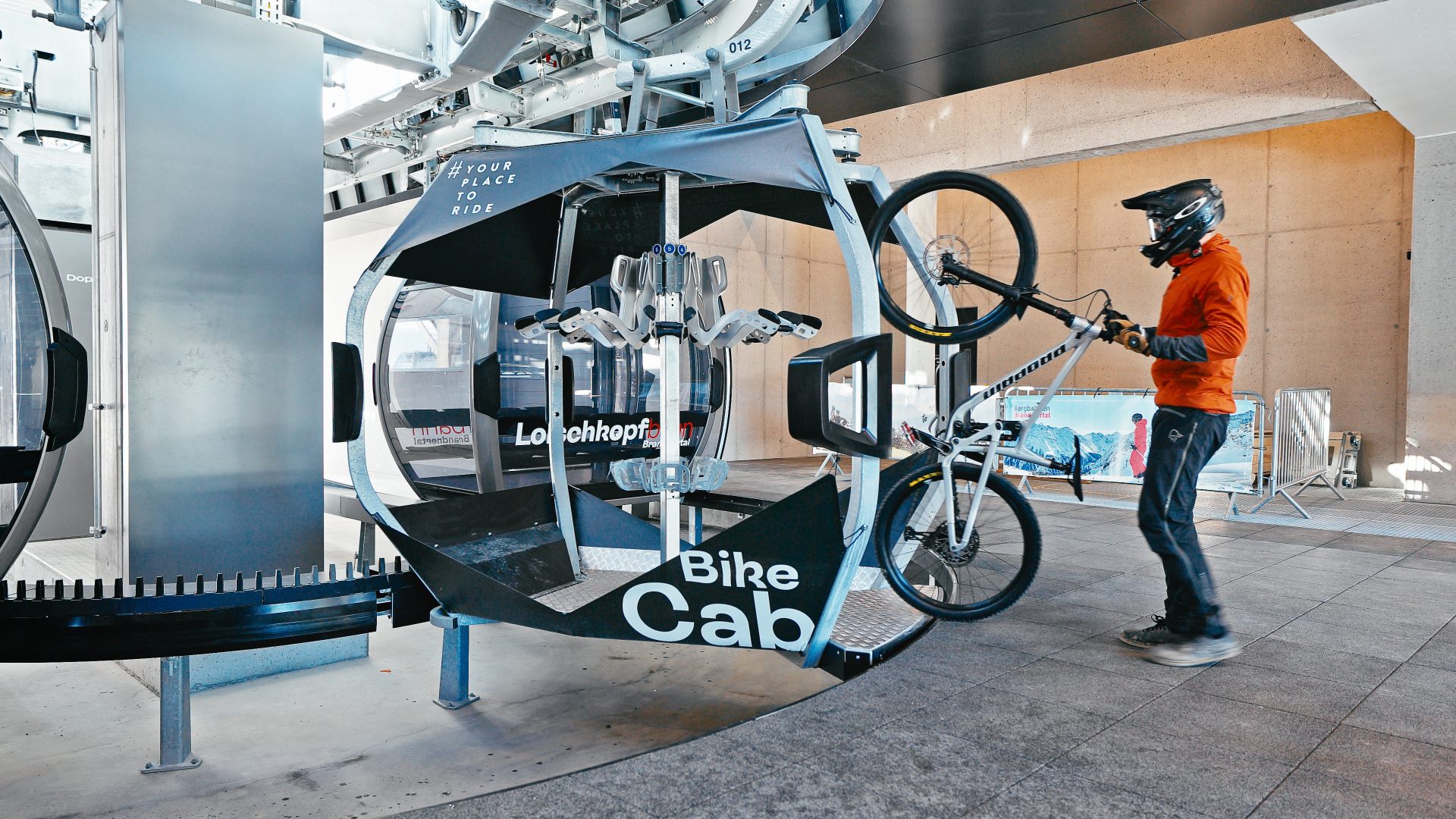
Doppelmayr: Bike Cab as a strategic choice
Three new gondola lifts on both sides of the Atlantic – the Loischkopfbahn, the Mighty Argo Cable Car, and the Explorer Gondola – are now in operation. All three are equipped with Bike Cabs to transport bicycles up the mountain, helping operators achieve key strategic goals.
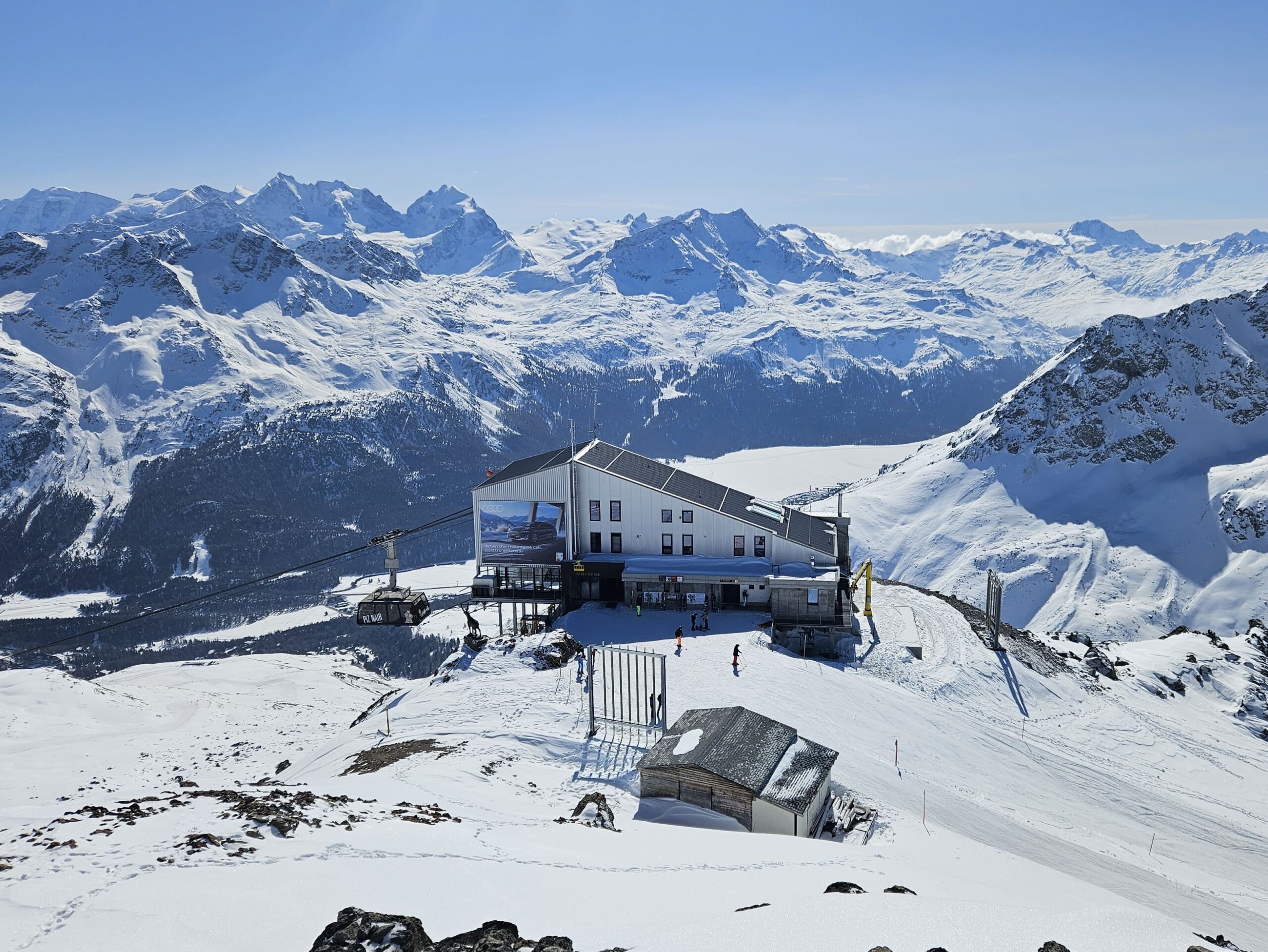
Thawing Mountains: Risks for high-altitude ski resorts
High-altitude ski resorts are facing extremely rapid changes that were almost unimaginable just 20 years ago. Permafrost – ground or rock that remains frozen year-round – is warming up and thawing. What are the warning signs, and what can be done?
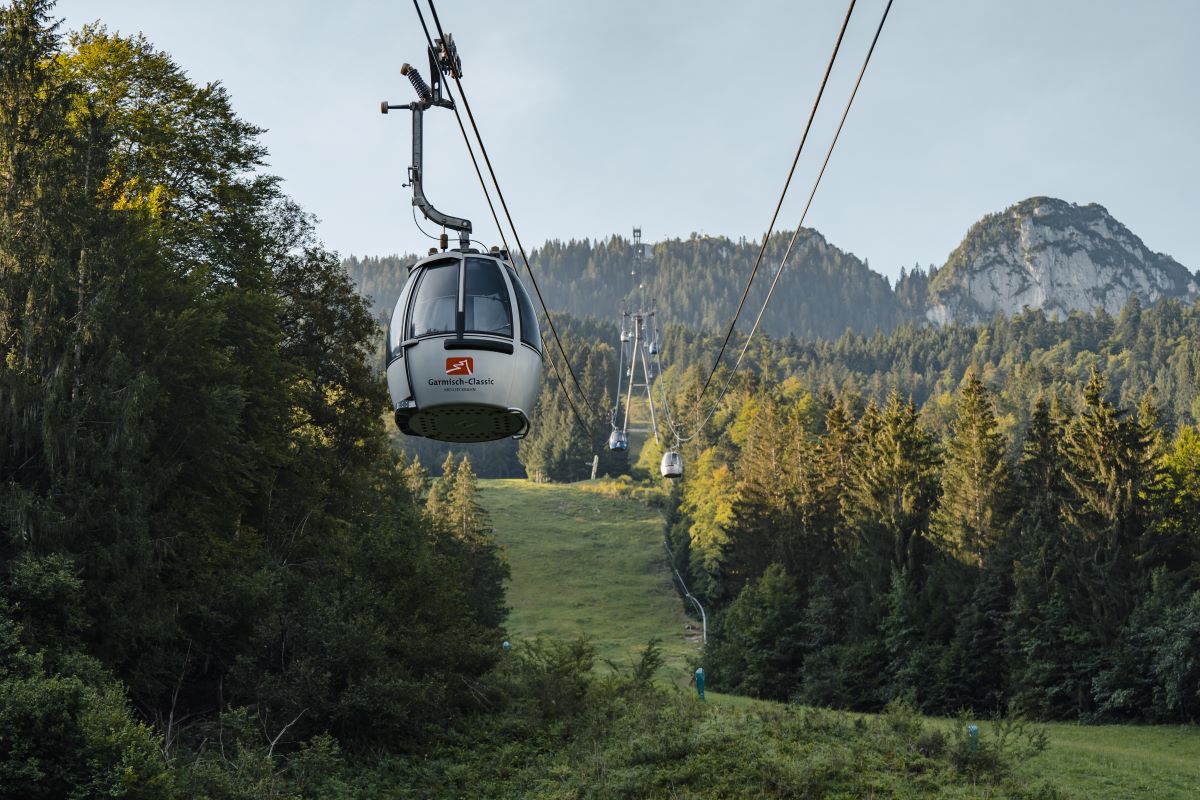
Energy in Ski Resorts: Clever Use of Hydropower
Storing energy, generating electricity, powering cable cars – ski resorts can use hydropower to their advantage. Three destinations demonstrate as examples what is already possible today.
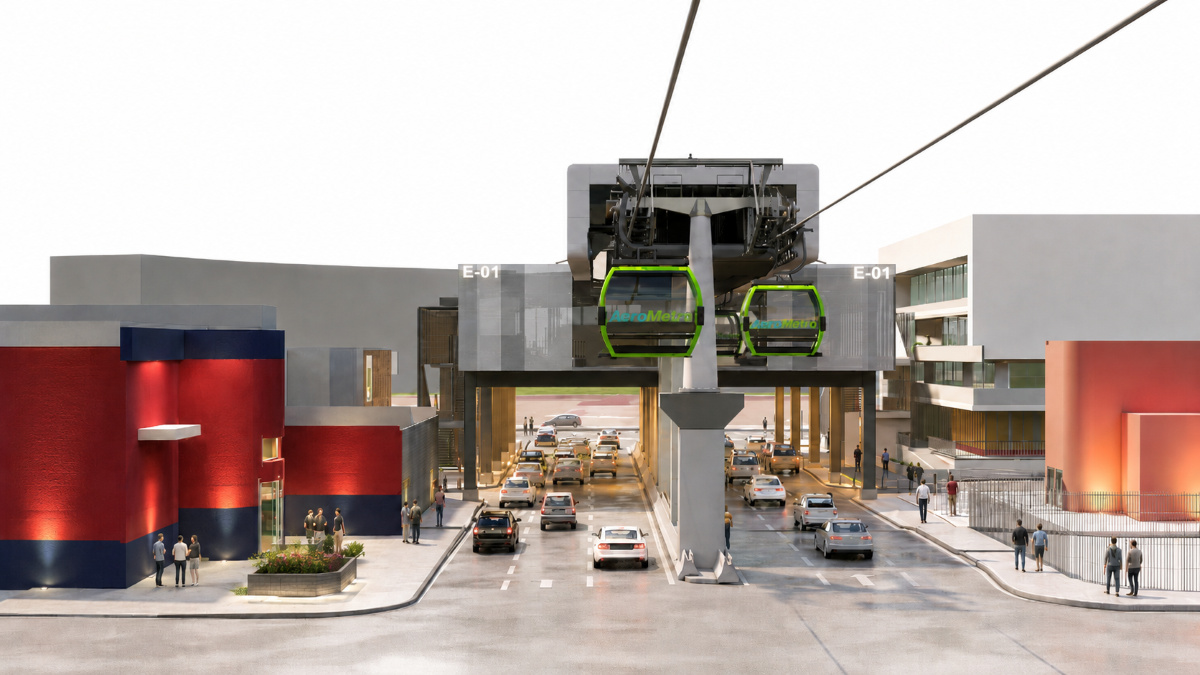
AeroMetro: High-Capacity Cable Car for Guatemala
Guatemala City is building its first urban cable car with the AeroMetro project. The system will be one of the world's largest, both in terms of capacity and infrastructure.
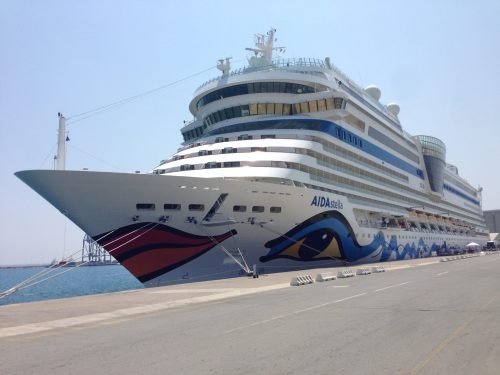
Too Tall for Singapore: Cable Car Forces AIDA Cruise Ship Refit
An AIDA cruise ship has to shrink. A reduced clearance in Singapore Harbour, caused by the reconstruction of a cable car system, has prompted AIDA Cruises to undertake an unusual modification.
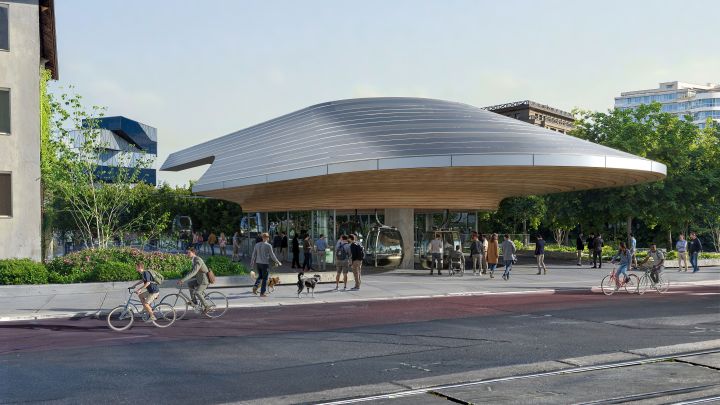
Heilbronn: Planning Phase for Urban Cable Car Begins
The German city of Heilbronn has announced positive news: On 27 July 2026, the municipal council gave the go-ahead for the preliminary planning phase of the project. What has changed compared with earlier plans, and what are the findings of the feasibility study?
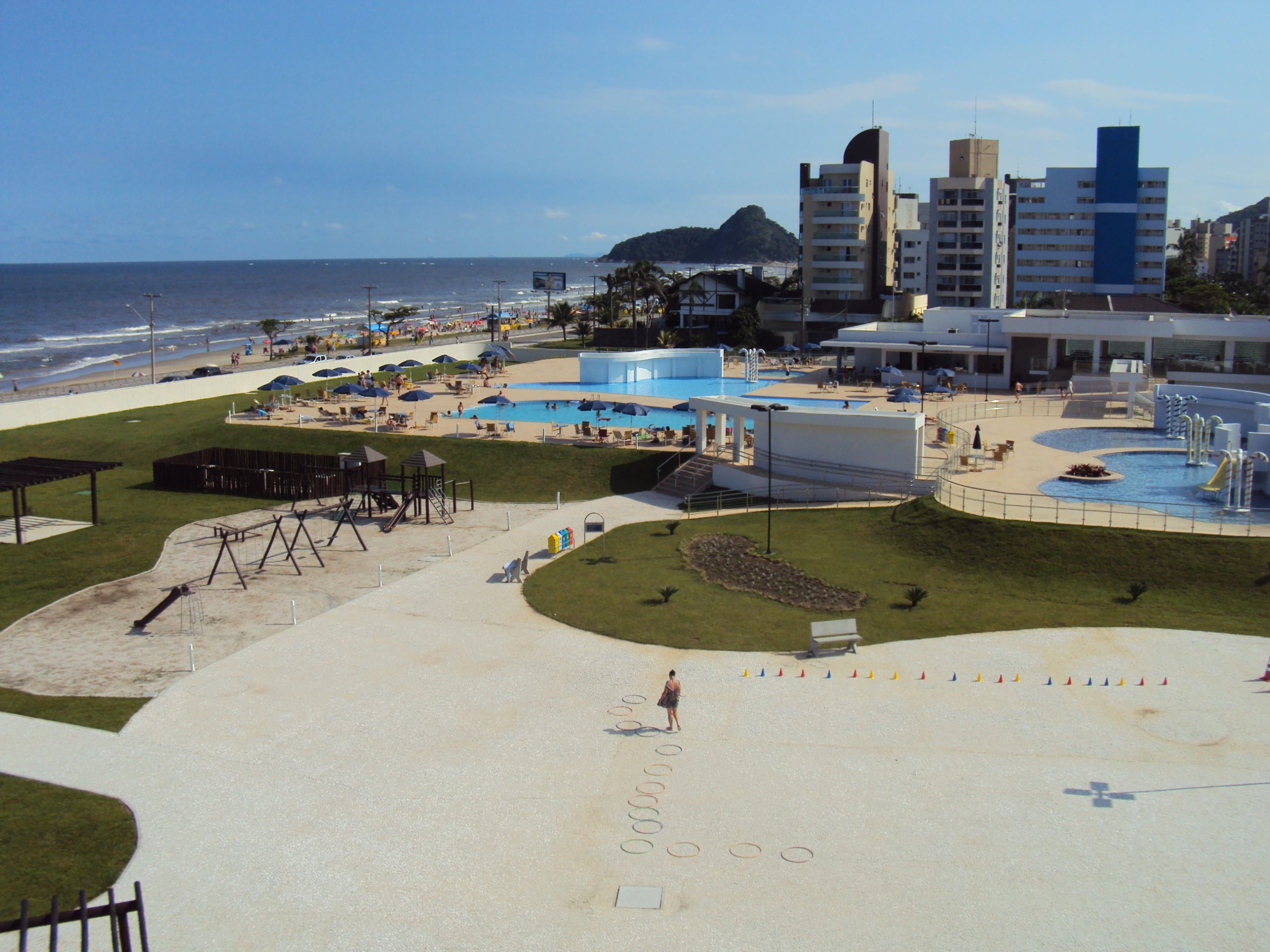
Brazil: New Coastal Cable Car Being Considered
Until the early 1990s, the Brazilian coastal city of Matinhos already had a cable car. At the time, it was one of the city’s most important tourist attractions and a major highlight of the entire coastal region. Now, the municipal administration is seeking to bring the system back.
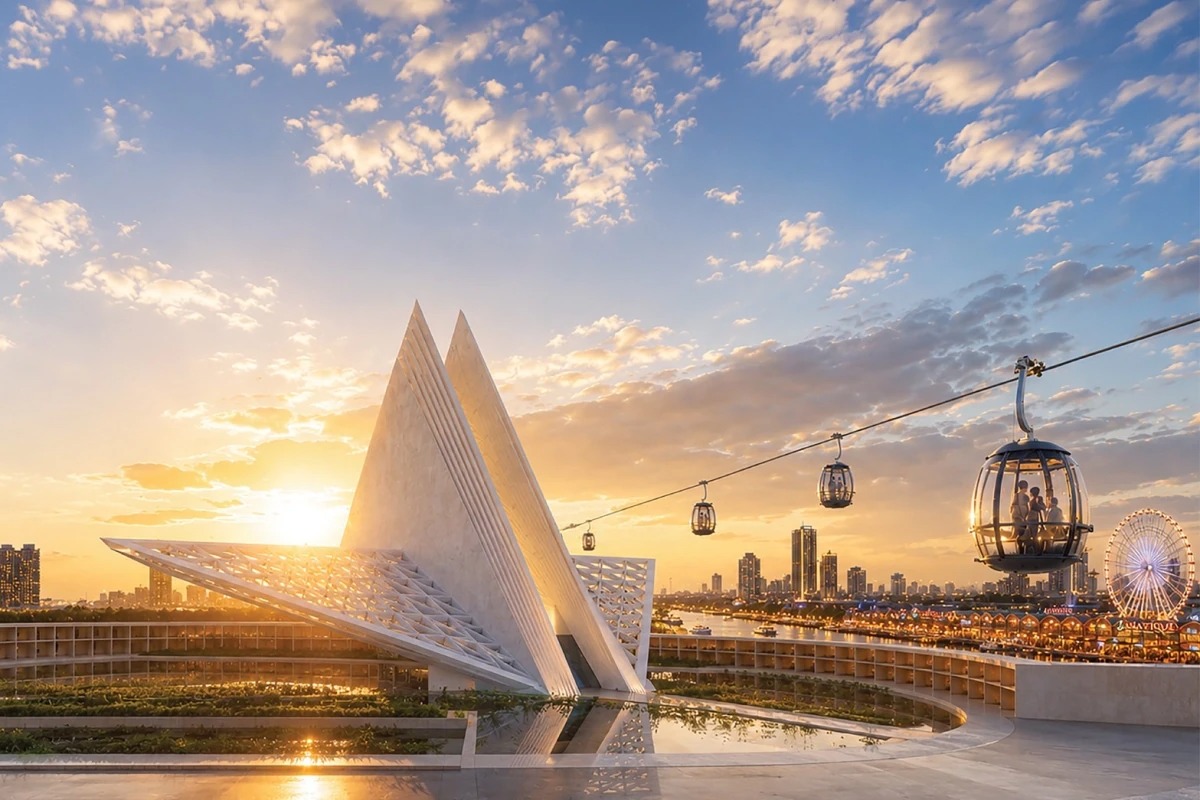
Bangkok: Cable Car for Exclusive Cultural Experiences
Several new tourist attractions are set to be developed in the Thai capital, Bangkok. Plans include a cable car, a museum of contemporary art, and an immersive experience world.
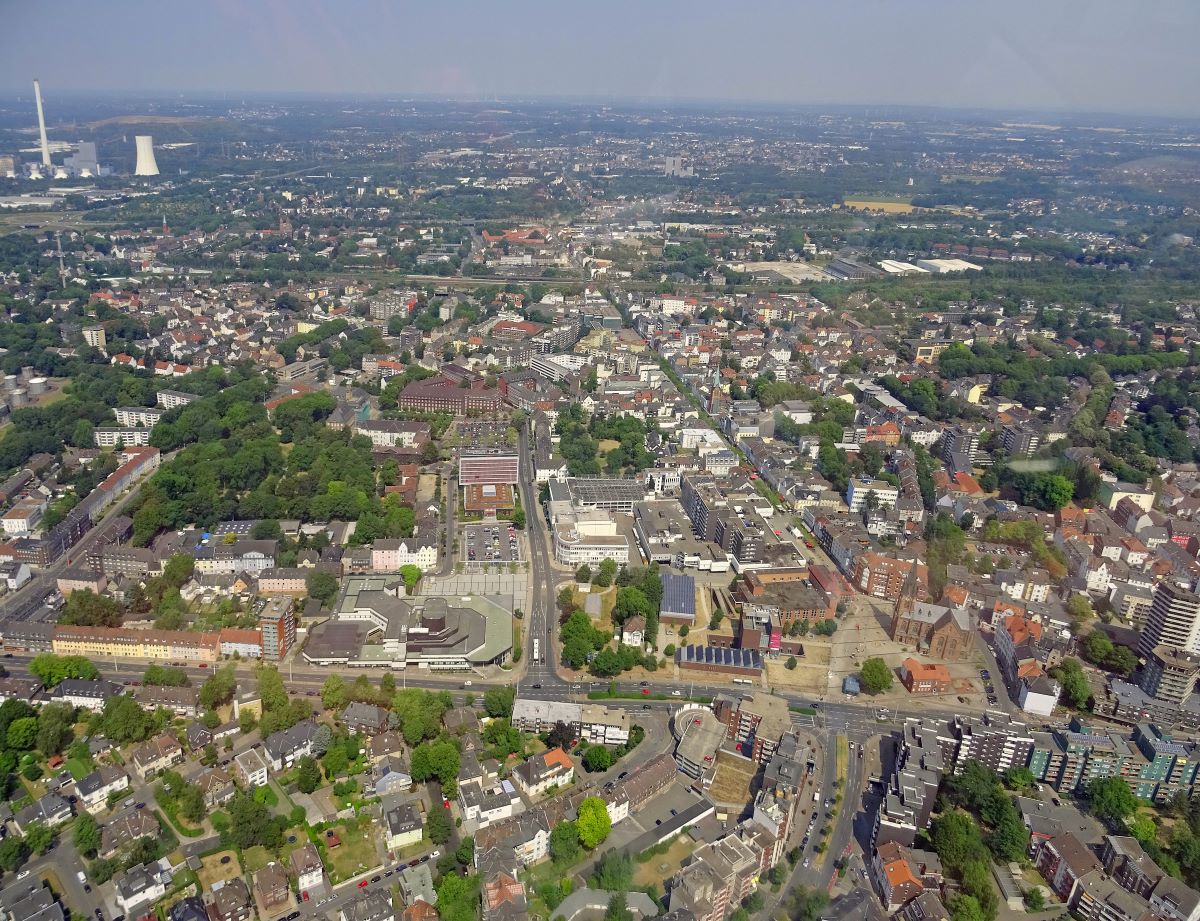
Herne: Green Light for the Cable Car
The Herne City Council has approved the construction of Germany’s first urban cable car for public transportation. The project aims to transform the former Blumenthal coal mine site into a modern high-tech district with up to 4,000 jobs.