

Cities
CITIES
Cable cars and cableways function as an efficient means of transport in an urban setting. Find out more on our blog!
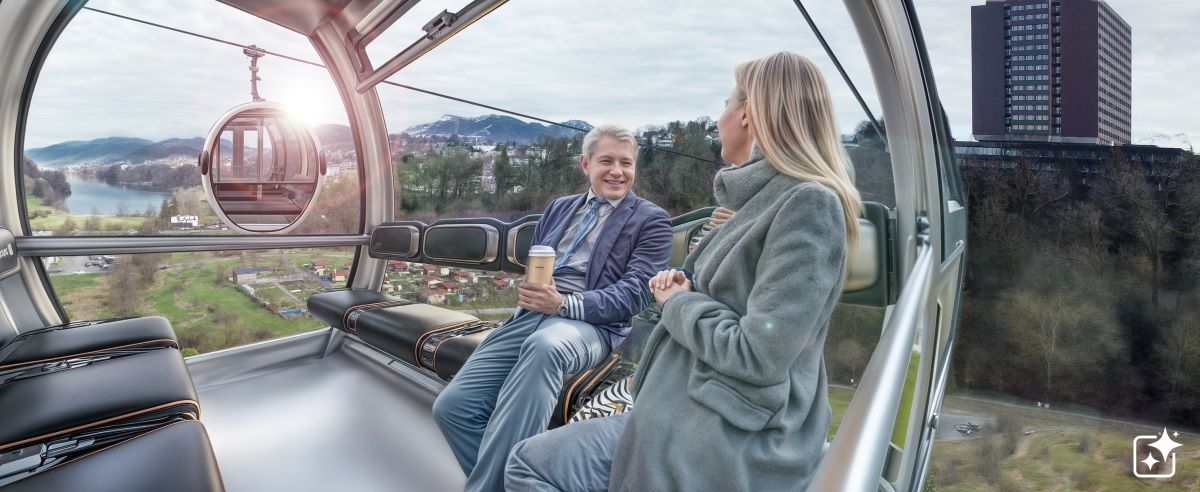
Plans in the homeland of cable cars
Ropeways are inextricably linked to Switzerland, shaping the country‘s image as a destination for sports and nature. However, the urban variant has struggled to gain a foothold. Nevertheless, several projects are underway, some of which are already quite far along.
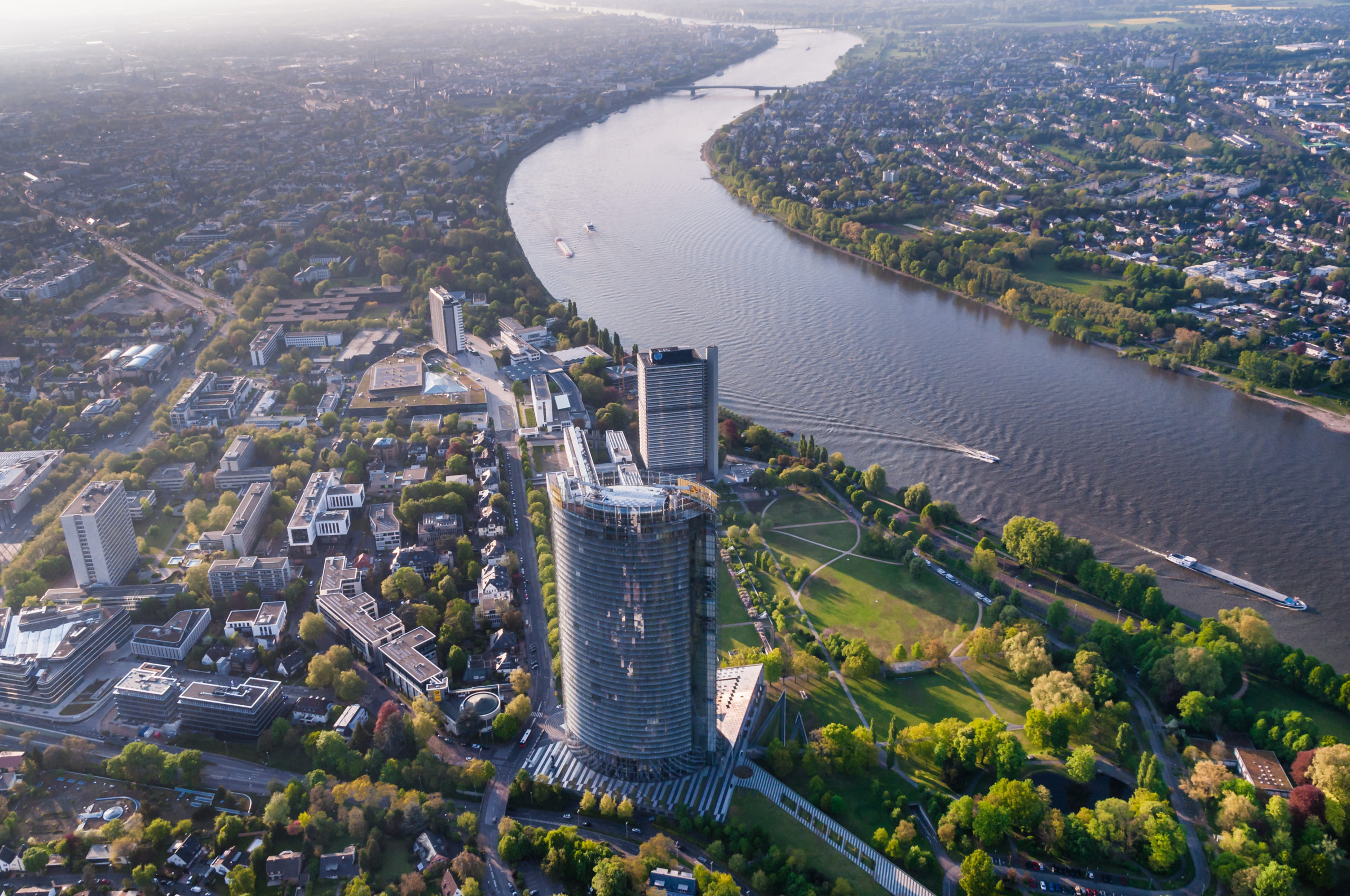
Germany: Where are urban cable cars being planned?
Urban cable cars seem to be a perennial media topic, particularly in Germany: ideas pop up in many places, only to disappear shortly thereafter. However, there are projects that are being pursued with increasing seriousness. An overview.

Urban ropeways: From concept to implementation
Urban infrastructure projects require solid preparation and planning, yet for ropeways in particular, this is often ignored. Ideas are frequently presented to the public without first verifying which mobility needs are actually being met and what the impact of these improvements will be. The successfully implemented “Câble C1“ project near Paris demonstrates how to do it right.
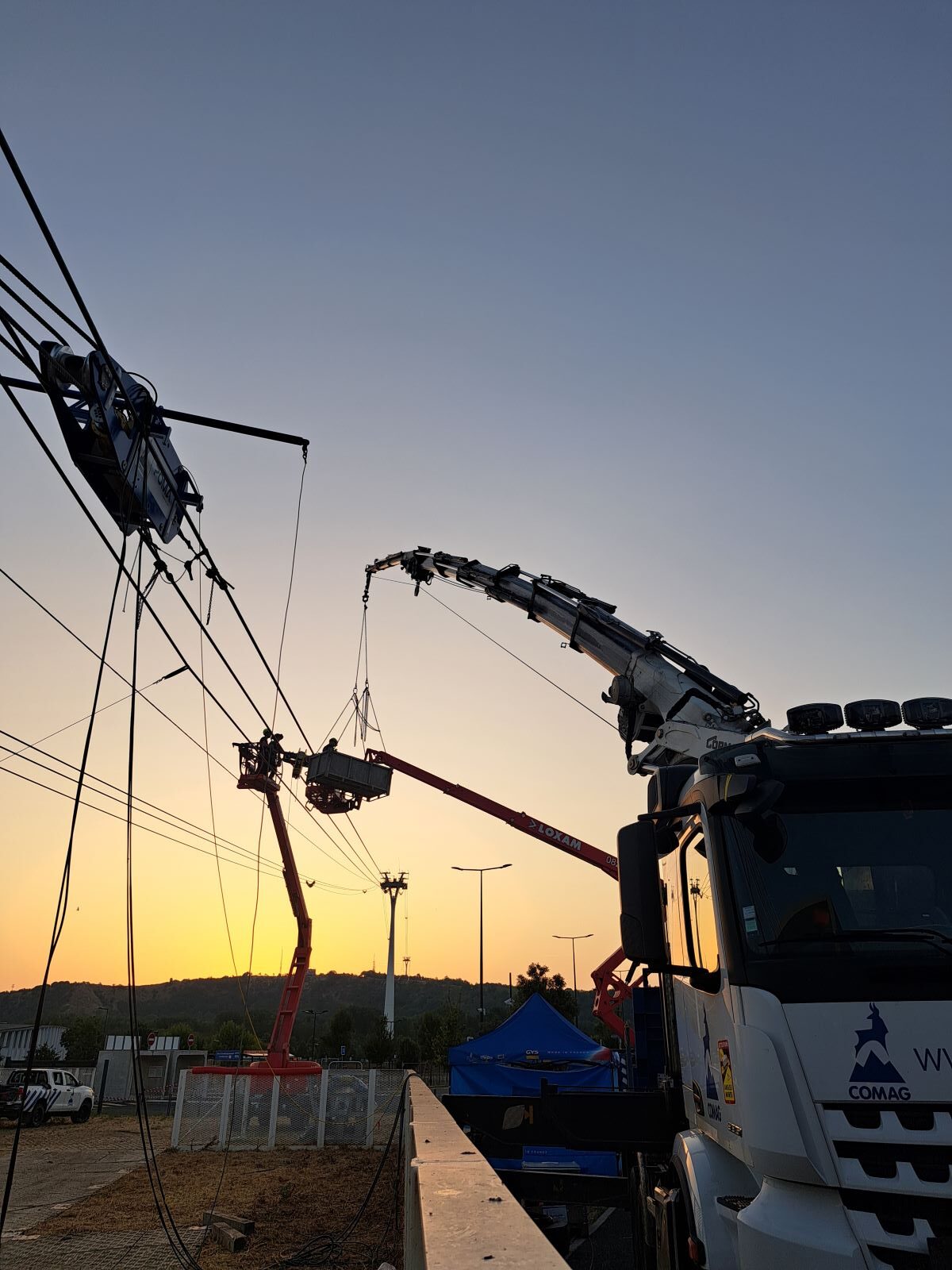
Toulouse: More efficent maintenance for maximum availability
Time and safety – these are the critical factors in the maintenance of urban ropeways. The time windows are tight in order not to interrupt operations longer than necessary. With a great deal of expertise and internally developed tools, the French manufacturer POMA has optimized the maintenance of ropeways. The best current example is the track rope relocation on the “Téléo“ in Toulouse.

China: Two BARTHOLET cable cars for city tourism
While one city tourism cable car in China has been successfully operating since the end of 2025, construction on a second system is progressing rapidly. The Swiss manufacturer BARTHOLET carries out these projects in unique natural settings, which place the highest demands on technology and planning – both climatically and geographically.
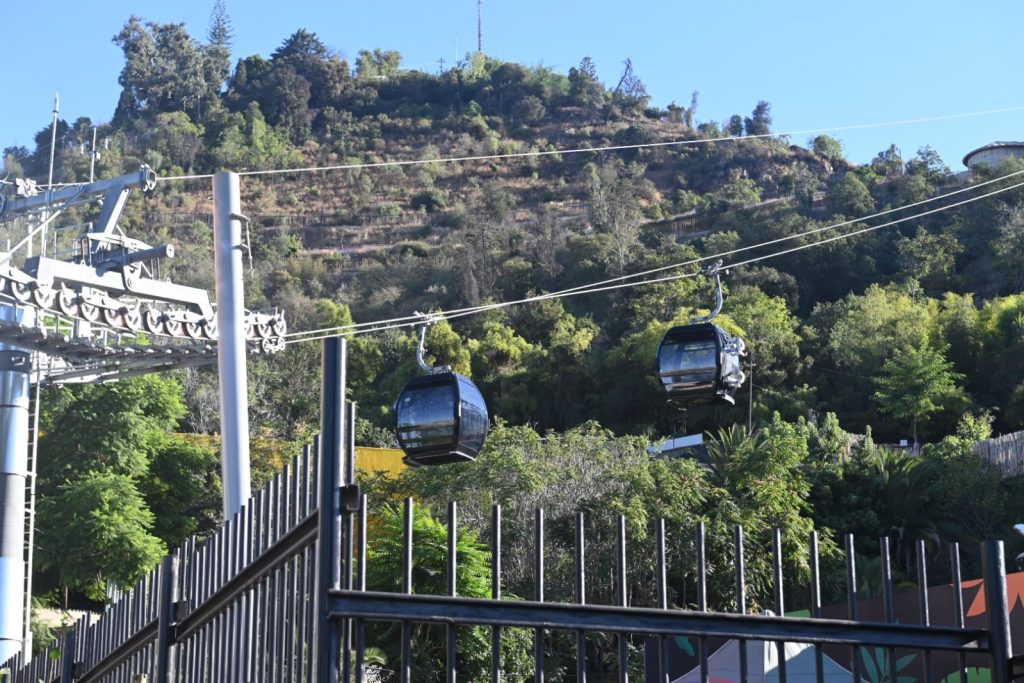
Chile: New cable car line opens in Santiago
The new Pio Nono cable car line in the Chilean capital, Santiago, has entered a trial phase. Until mid-March, visitors can book a free ride.
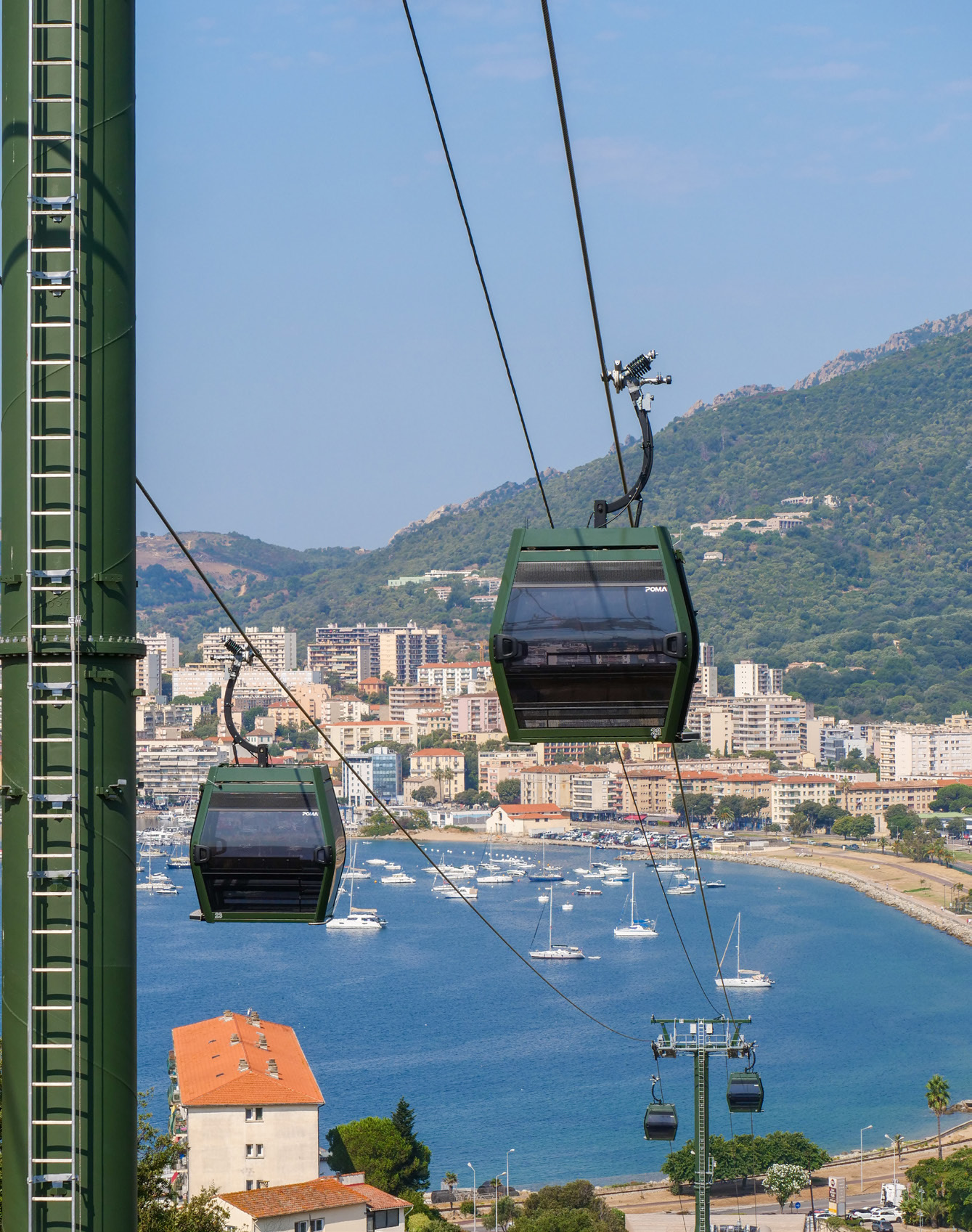
POMA now operates and maintains the cable car in Ajaccio
In October 2025, “Angelo” began operations – the first urban cable car in Ajaccio, the capital of Corsica. For POMA, however, the work does not end there; the French manufacturer is taking over the operation and maintenance of the system for the next ten years. This “all-inclusive“ package serves as a model for future urban ropeway projects.
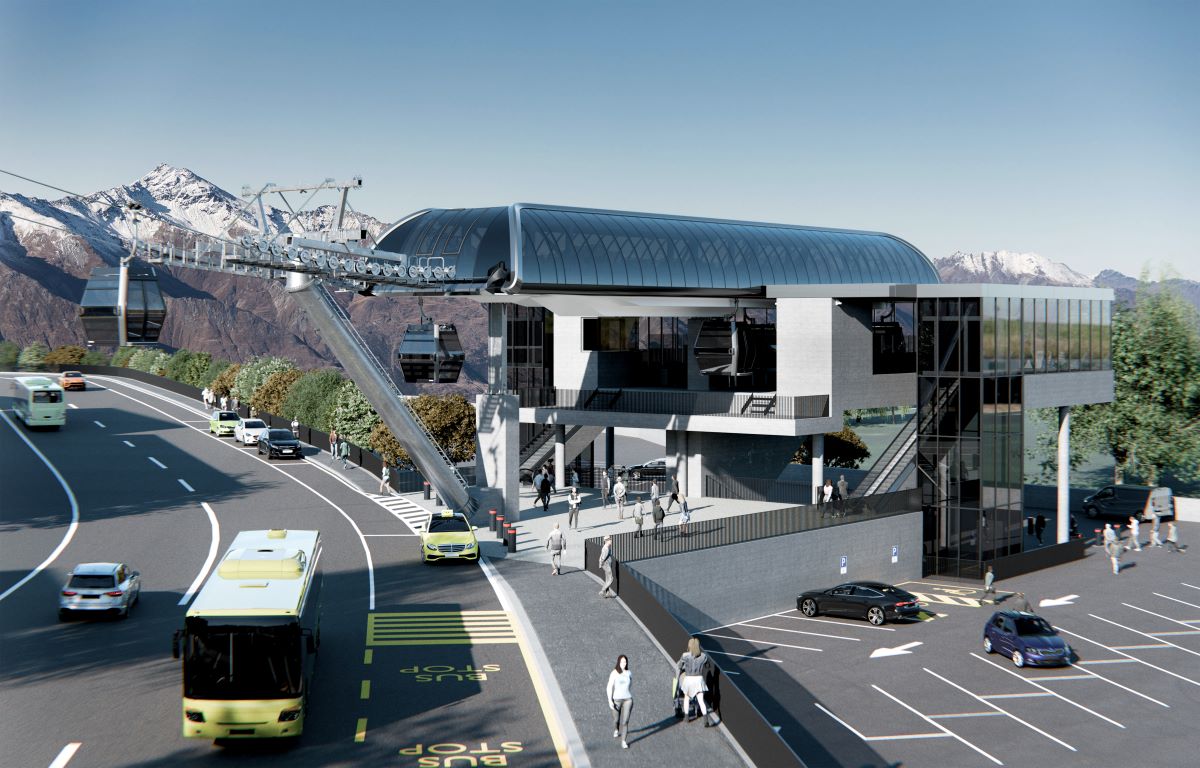
Leitner to build Oceania’s first urban ropeway
Preparations for a genuine mobility revolution are currently underway in Queenstown, on New Zealand’s South Island. In a competitive tender process that began in May 2025, LEITNER has now been officially selected to build Oceania’s first urban ropeway.
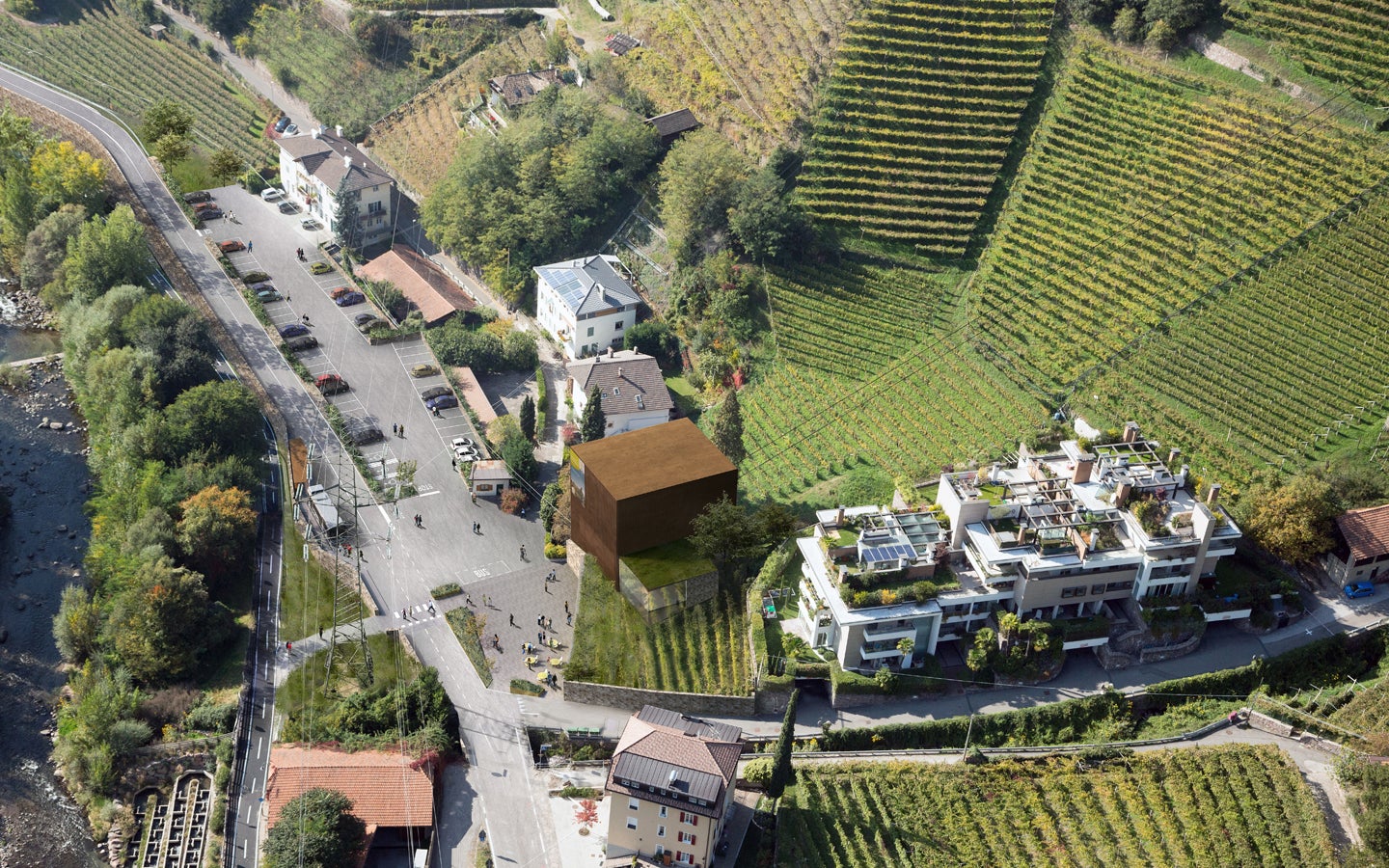
Bolzano-Jenesien: Construction contract signed
Südtiroler Transportstrukturen AG (STA) and the South Tyrolean ropeway manufacturer LEITNER have signed the contract for the construction of the Bolzano-Jenesien ropeway. The executive project will be drafted this spring, and construction is expected to begin in the second half of the year.

City Cable Car Solutions 3CS makes its debut at Mountain Planet
Urban areas worldwide face growing mobility challenges. In this context, cable car systems are increasingly evolving into essential components of modern public transportation concepts. With CITY CABLE CAR SOLUTIONS, an international industry platform has emerged that highlights precisely this potential.
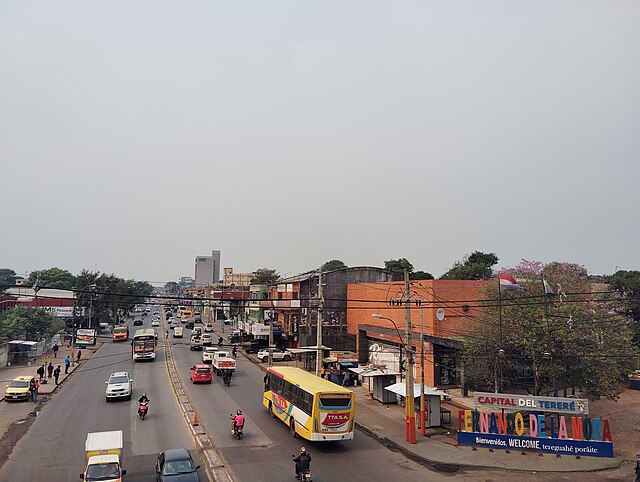
Inspired by Bolivia: Paraguayan politicians propose a cable car
In Fernando de la Mora (Paraguay), a city council candidate has proposed a cable car as a solution to the city’s traffic problems. According to the politician, the cable car is the most cost-effective option compared to the suburban train or Metrobus. How much could the project cost?
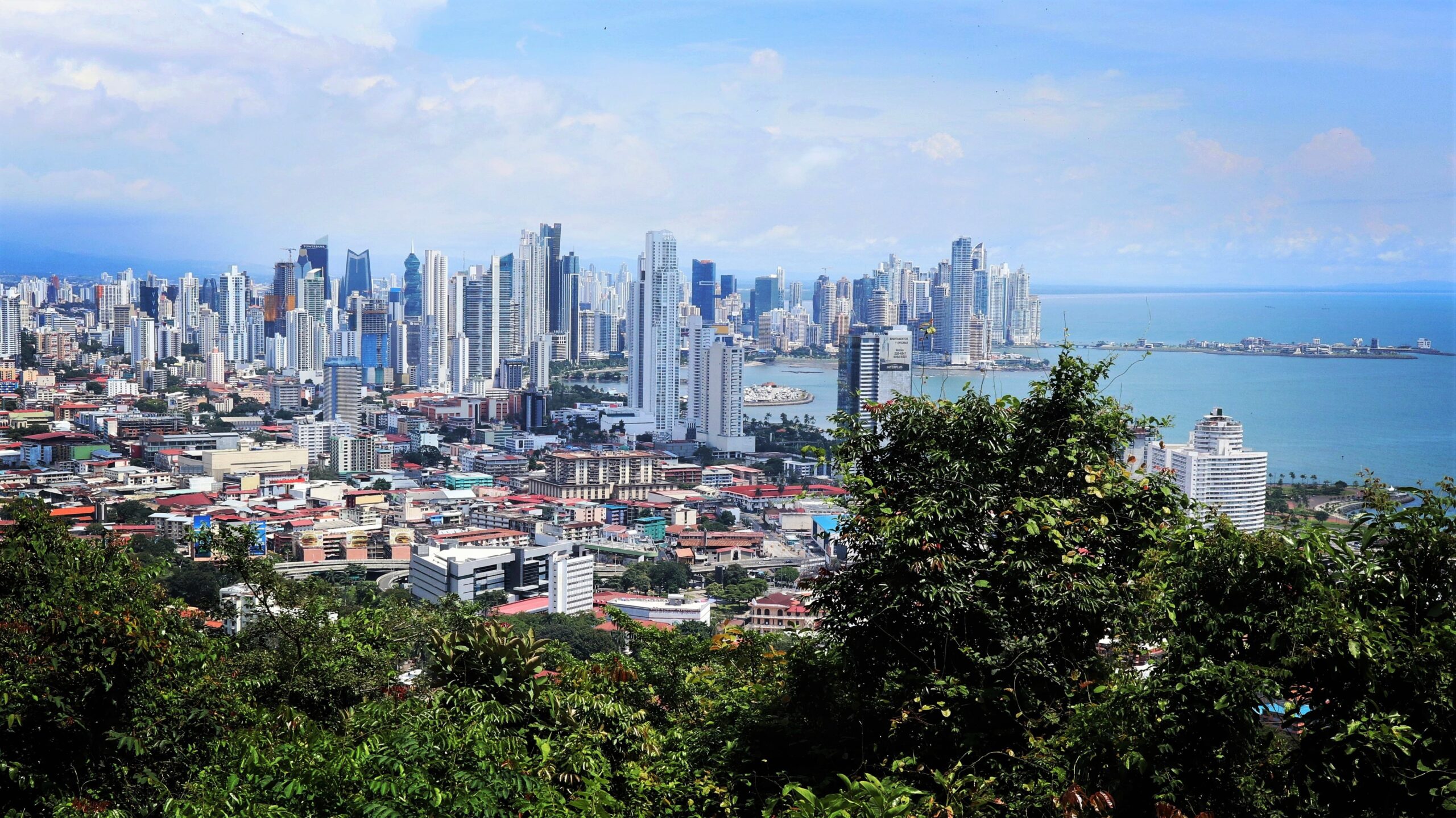
Panama City: First urban cable car could begin operation in 2029
In Panama City, the bidding process is underway for the country’s first urban cable car. It is expected to help address traffic problems in the Panamá and San Miguelito districts. Here are the details of the project.